
Questão FC489633
The bolded parts in the extracts “we just have to do the best we can” (frame 2), and “I guess that makes sense” (frame 3) are examples of collocations – a combination of two or mor
Gramática (Grammatics)
FGV · 2025
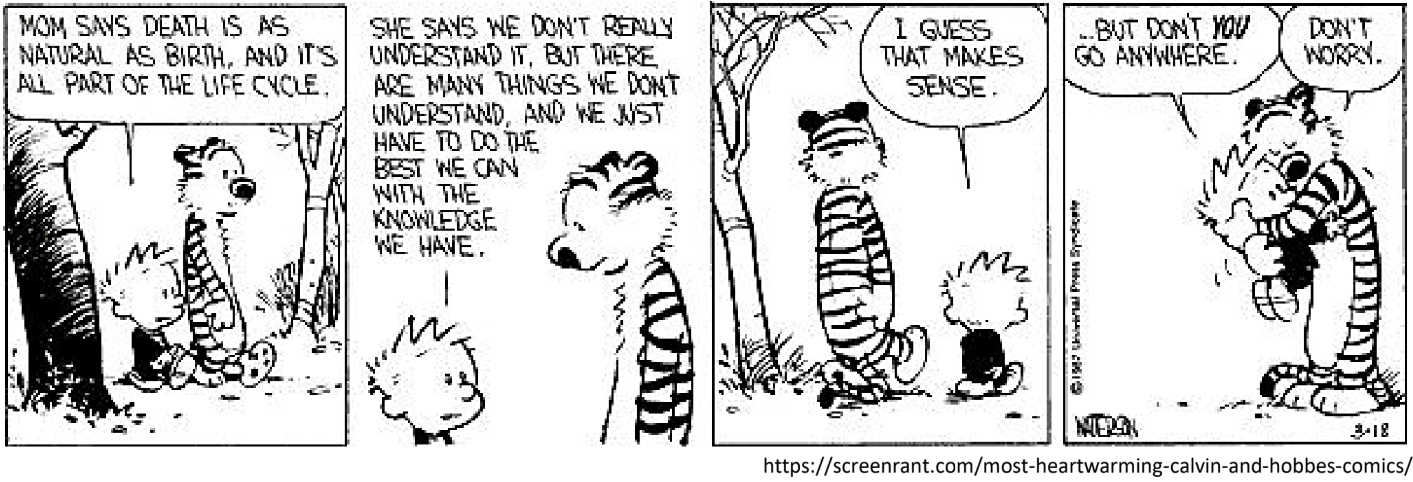
The bolded parts in the extracts “we just have to do the best we can” (frame 2), and “I guess that makes sense” (frame 3) are examples of collocations – a combination of two or more words that often go together. Collocations with “make” and “do” are a difficulty Brazilian learners frequently face. The sentence with a correct collocation among the ones below is
- I did a booking for a table for six people, but I’ll have to change it.
- She’s just asking you to do an effort!
- As soon as you start making research your knowledge on the subject will expand.
- Anyway, she will know whether or not she has made the right choice.
- If I were you, I’d look for another person to make business with.
Mostrar resposta e comentário
Gabarito
D
Comentário do professor
A alternativa d está correta porque contém a colocação lexical make a choice, padrão em inglês para indicar a ação de tomar uma decisão ou escolher. Nesse caso o verbo make sinaliza a ideia de produzir ou efetivar uma decisão.
Na frase "Anyway, she will know whether or not she has made the right choice" o tempo verbal present perfect (has made) indica que a ação de escolher foi realizada em algum momento antes do momento futuro em que ela saberá o resultado.
O segmento whether or not apresenta as duas possibilidades (acertou ou não), e a colocação permanece natural: usar make com substantivos como choice ou decision é a opção correta e idiomática.
Conteúdo do catálogo FC Concursos · Atualizado em