
Questão FC489737
TEXT II Avicenna, Arabic Ibn Sīnā, (born 980, near Bukhara, Iran [now in Uzbekistan]—died 1037, Hamadan, Iran), Muslim physician, the most famous and influential of the philosopher
Questões sem classificação de assunto (Língua Inglesa (Inglês))
FGV · 2023
TEXT II
Avicenna, Arabic Ibn Sīnā, (born 980, near Bukhara, Iran [now in Uzbekistan]—died 1037, Hamadan, Iran), Muslim physician, the most famous and influential of the philosopher-scientists of the medieval Islamic world. He was particularly noted for his contributions in the fields of Aristotelian philosophy and medicine. He composed the Book of the Cure, a vast philosophical and scientific encyclopaedia, and The Canon of Medicine, which is among the most famous books in the history of medicine.
Avicenna did not burst upon an empty Islamic intellectual stage. It is believed that Muslim writer Ibn al-Muqaffaʿ, or possibly his son, had introduced Aristotelian logic to the Islamic world more than two centuries before Avicenna. Al-Kindī, the first Islamic Peripatetic (Aristotelian) philosopher, and Turkish polymath al-Fārābī, from whose book Avicenna would learn Aristotle’s metaphysics, preceded him. Of these luminaries, however, Avicenna remains by far the greatest.
Adapted from https://www.britannica.com/biography/Avicenna
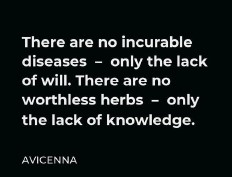
Here is one of his sayings:
https://br.pinterest.com/pin/770326711284710280/
According to the biography, Avicenna
- is ranked among best contemporary philosophers.
- has scarcely influenced the history of medicine.
- was born in one of the Western countries.
- is known as the first Islamic philosopher.
- owed much to his predecessors.
Mostrar resposta e comentário
Gabarito
Errado
Comentário do professor
Opção correta: owed much to his predecessors.
Essa alternativa indica que, segundo a biografia, Avicenna teve uma relação de continuidade com o saber anterior: suas ideias e descobertas se apoiaram em trabalhos e ensinamentos de pensadores que o antecederam.
O verbo "owed" aqui expressa débito intelectual, ou seja, reconhecimento de influência e aproveitamento de conhecimentos prévios. A biografia provavelmente descreve que ele estudou, assimilou e desenvolveu conceitos já existentes.
Portanto, ao afirmar que Avicenna "owed much to his predecessors", o texto destaca a importância da tradição acadêmica na formação de suas contribuições, mostrando que seu trabalho foi fruto de uma progressão histórica do saber.
Conteúdo do catálogo FC Concursos · Atualizado em