
Questão FC699596
Leia o texto a seguir para responder a questão (www.uticazoo.org) Hundreds of animals, from tiny ants to mighty hippos, are shaping the Earth’s surface as powerfully as floods and
Interpretação de Textos (Understanding)
VUNESP · 2025
Leia o texto a seguir para responder a questão
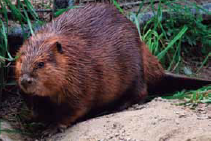
(www.uticazoo.org)
Hundreds of animals, from tiny ants to mighty hippos, are shaping the Earth’s surface as powerfully as floods and storms. These animals effectively act as landscape engineers, reorganising soils and sediments.
Animals act as landscape architects as they feed, create shelter, reproduce and simply move around. Beavers build dams that form wetlands and change river channels. Spawning salmon1 move huge amounts of river sediments too, similar to the amounts moved by floods. Yet, beyond such two charismatic and iconic examples, animal landscape engineers can be viewed as curiosities — interesting but uncommon, with much to be still learned about their role in landscape change.
Animal architects include some of the smallest creatures on Earth, such as ants and aquatic insect larvae, as well as the largest, such as elephants, hippos and bison. As a group, they are globally widespread across land and in water, in all major ecosystem types.
My research team searched thousands of published articles for mentions of animal engineers to compile a comprehensive list of species. But we inevitably missed some studied species in our searches. For instance, we know that the tropics and subtropics are biodiversity hotspots, but fewer animal agents of landscape change were reported there. This is because research and resources have been concentrated in places like Europe, the United States and Australia. Countless more species remain unreported or even undiscovered, especially smaller, less visible animals such as insects.
Finding ways to control the enormous energy potential of landscape-shaping animals could help simultaneously mitigate and adapt to climate change and increase biodiversity.
(Gemma Harvey. https://theconversation.com, 25.03.2025. Adaptado.)
1 spawning salmon: salmão em época de desova.
The central idea in the text is that animals
- have helped save the Earth’s surface from floods and storms.
- are the major actors in both the marine and earth ecosystems.
- can be better landscape architects than humans.
- have modeled our planet’s landscape in potent ways.
- are more easily adaptable to climate change effects and impacts.
Mostrar resposta e comentário
Gabarito
D
Comentário do professor
A alternativa correta resume a ideia central do texto: que os animais modelaram a paisagem terrestre de maneira expressiva. Isso está explícito em trechos como “are shaping the Earth’s surface” e “as powerfully as floods and storms”, que comparam a ação animal a forças naturais de grande impacto.
O texto explica que esses organismos atuam como “landscape engineers”, reorganizando solos e sedimentos ao se alimentar, construir abrigos, reproduzir-se e deslocar-se. Essa descrição sustenta a ideia de transformação física sobre o relevo.
Exemplos concretos reforçam a tese: castores erguem represas que formam áreas alagadas e alteram canais fluviais; salmões em desova movimentam sedimentos em quantidade comparável a enxurradas. Esses casos mostram impacto mensurável.
Além disso, o texto destaca a distribuição ampla desses agentes e sugere que entender seu papel pode ajudar a mitigar e adaptar ações frente às mudanças climáticas, consolidando a leitura da alternativa D.
Conteúdo do catálogo FC Concursos · Atualizado em