
Questão FC700072
Katty Kay: It’s been a year since your book came out and caused a huge conversation. I wanted to start by getting a kind of report card of where we are on the various aspects of wh
Sem classificação
VUNESP · 2025
Leia a entrevista a seguir para responder à questão.
Can childhood survive the smartphone?
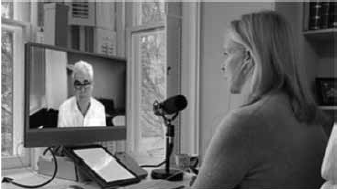
Below is an excerpt from a conversation between the reporter Katty Kay and Jonathan Haidt who, with his book The Anxious Generation, sparked a global reckoning about mobile phone usage among children when it came out last year.
Katty Kay: It’s been a year since your book came out and caused a huge conversation. I wanted to start by getting a kind of report card of where we are on the various aspects of what you put forward: phones in school, age gating, social media, getting kids to have more free playtime. Who’s doing well and who isn’t in America on all of those issues?
Jonathan Haidt: I knew that the book was going to be popular. What I wasn’t prepared for is that this issue would spread like wildfire around the world, not just in the US. Because around the world, family life has turned into a fight over screen time. Everyone hates it. Everyone sees it.
Where it took off most quickly was phone-free schools, because that is something that is more easily done. It’s so hard to teach to a classroom when half of them are watching short videos and playing video games. So, the teachers have hated the phones from the beginning but they were afraid, especially in America – maybe it’s the same in other countries – but in America, there are a lot of parents who want to be able to communicate all the time with their child, and they think they have a right to check in on their child. And, ‘What if something goes wrong? I need to be there.’ So, the overparenting — ...
KK: That’s a paradox, then, because you’ve got the parents who are super worried about the phones; they see what phones are doing to their kids. But they also don’t want their kids to relinquish their phones when they go into school.
JH: Hey, look, people are complicated! They contain multitudes. And I shouldn’t say that everyone saw the problem, because there were a lot of parents who saw the phone as a lifeline. They see the world as very threatening and dangerous. But we have to focus on what it will take to allow kids to have healthy brain development through puberty. We’ve got to give kids a lot less screen time. A lot less fragmenting time. No TikTok. No short videos. Let’s give them a lot more experience interacting with people.
(Katty Kay. www.bbc.com, 10.04.2025. Adaptado)
According to the author of The Anxious Generation, one main difficulty in banning child smartphone use from American schools is
- students’ addiction to the new technologies and social media.
- schools’ fears of losing students in case no smartphones are allowed in class.
- the world’s overall movement for freedom of expression.
- parents’ urgency to follow every one of their children’s steps.
- round the world’s mixed feelings about smartphone prohibition.
Mostrar resposta e comentário
Gabarito
D
Comentário do professor
O autor aponta que a principal dificuldade é a pressão dos pais que querem manter contato permanente com os filhos. Muitos encararam o celular como uma linha de vida, útil para checar onde a criança está e intervir em situações de risco.
Essa vigilância constante e o medo do mundo exterior geram resistência à ideia de recolher aparelhos na escola, mesmo quando professores reclamam que os dispositivos atrapalham as aulas.
Haidt destaca que essa postura nasce da superproteção e da necessidade de controlar, o que torna políticas de escolas sem celular difíceis de implementar sem convencer as famílias.
Portanto, para que uma proibição funcione é essencial abordar a ansiedade parental, mostrando alternativas seguras de comunicação e ganhando a confiança dos responsáveis.
Conteúdo do catálogo FC Concursos · Atualizado em